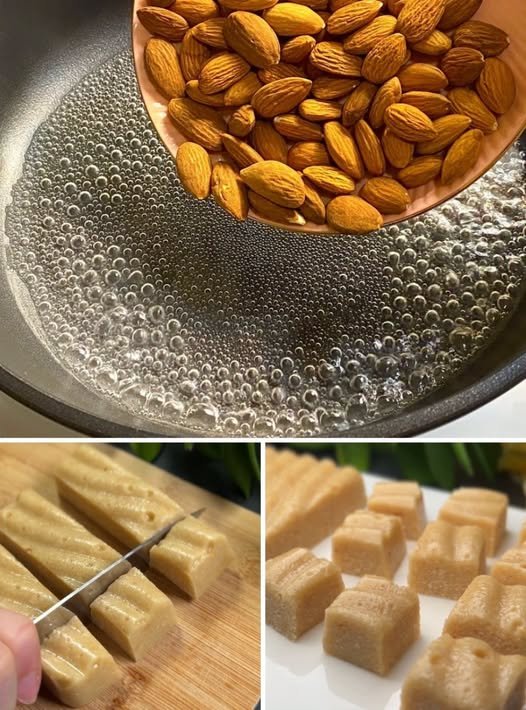
Throw Almonds in Boiling Water and You Will Be Amazed! The Whole World Uses This Method
Almonds- Sometimes the simplest kitchen tricks deliver the most surprising results. One of those underrated but incredibly powerful techniques is this: pouring boiling water over almonds or briefly simmering them. It sounds too simple to matter—but once you try it, you’ll understand why people around the world use this method every day.
This easy kitchen hack transforms almonds in seconds, making them easier to peel, softer in texture, more digestible, and even slightly sweeter in flavor. Whether you use almonds for snacking, baking, or healthy breakfasts, this method can completely change how you prepare them.
Why Put Almonds in Boiling Water?
At first glance, it might seem unnecessary. Almonds are already delicious raw, right? But boiling water unlocks a hidden transformation.
Here’s what happens when almonds meet hot water:
- The skin loosens and peels off easily
- The texture becomes softer and creamier
- The flavor becomes slightly milder and less bitter
- They become easier to digest
- Nutrients may become more bioavailable for some people
- They gain a fresh, “just-processed” taste
This is why this method is widely used in Indian, Mediterranean, Middle Eastern, and even modern health-focused kitchens.
The Science Behind the Trick
Almond skins contain natural compounds called tannins. These are responsible for the slightly bitter taste and darker color.
When almonds are exposed to boiling water:
- The heat breaks the bond between skin and nut
- The skin becomes loose and easy to remove
- Enzymes and compounds in the skin are reduced
- The inner nut becomes smoother and softer
This is why blanched almonds (almonds without skin) are commonly used in desserts, almond milk, marzipan, and pastries.
How to Do It Properly (Step-by-Step Method)
Step 1 – Boil the water
Bring a pot of water to a full boil. You don’t need anything fancy—just enough water to fully cover the almonds.
Step 2 – Add the almonds
Pour raw almonds into the boiling water. Let them sit for 1–2 minutes only.
You will notice the skins starting to loosen almost immediately.
Step 3 – Drain the water
Pour everything into a strainer and discard the hot water.
Step 4 – Cool the almonds
Rinse the almonds with cold water. This stops the cooking process and makes them easy to handle.
Step 5 – Peel the skins
Gently squeeze each almond between your fingers.
The skin will slide off effortlessly.
Step 6 – Dry them (optional)
If you want crispy almonds again, let them air dry or toast them lightly in a pan or oven.
What You Get After Boiling Almonds
After this simple process, almonds change in several noticeable ways:
- Smooth, ivory-colored nuts
- Soft bite instead of crunchy texture
- Mild, buttery flavor
- Clean appearance without skin
- Easier blending for recipes
Many people actually prefer almonds this way, especially in desserts or drinks.
Where This Method Is Commonly Used
This technique is not new—it has been used for centuries in many culinary traditions.
India
Blanched almonds are used in:
- Kheer (rice pudding)
- Badam milk
- Traditional sweets and desserts
Middle East
Used in:
- Baklava toppings
- Rice dishes
- Festive desserts
Europe
Used in:
- Marzipan
- Almond flour baking
- Cakes and pastries
Modern Healthy Kitchens
Used for:
- Smoothies
- Almond butter
- Plant-based milk
- Raw desserts
Benefits of Boiling Almonds
1. Easier digestion
Removing the skin makes almonds gentler on the stomach for some people.
2. Better texture for recipes
Blanched almonds blend more smoothly into creams, milk, and sauces.
3. Improved appearance
Skinless almonds look cleaner and more professional in desserts.
4. Reduced bitterness
The mild bitterness from the skin is significantly reduced.
5. Better for kids and elderly
Softer texture makes them easier to chew.
Common Mistakes to Avoid
Even though the method is simple, a few mistakes can ruin the result:
- Leaving almonds in boiling water too long (they become mushy)
- Skipping the cold rinse step (harder to peel)
- Using stale almonds (skin won’t release properly)
- Not drying them if you want crunchiness afterward
Timing is everything—1–2 minutes is enough.
Raw vs Boiled Almonds – What’s the Difference?
Raw almonds:
- Crunchy
- Stronger flavor
- Higher fiber content in skin
- Longer shelf stability
Boiled (blanched) almonds:
- Soft texture
- Milder taste
- Easier to blend
- Better for desserts and drinks
Both are healthy—the choice depends on how you plan to use them.
Creative Ways to Use Boiled Almonds
Once you try this method, you’ll find many uses for them:
Smoothies
They blend into ultra-creamy drinks.
Almond milk
Gives a smoother, less grainy texture.
Cakes and cookies
Perfect for soft batters and fillings.
Breakfast bowls
Add to oatmeal, yogurt, or porridge.
Desserts
Used in puddings, mousses, and creams.
Snacking
Lightly roasted after peeling = addictive snack.
Pro Tips for Best Results
- Use fresh, high-quality almonds
- Don’t skip the cold water bath
- Peel immediately after cooling for easiest removal
- Toast after peeling if you want crunch
- Store peeled almonds in the fridge for freshness
Storage Tips
After boiling and peeling:
- Refrigerate: up to 5–7 days
- Freeze: up to 3 months
- Keep in airtight container
This prevents spoilage since peeled almonds are more delicate.
Final Thoughts
This simple kitchen trick—pouring boiling water over almonds—is proof that sometimes the smallest steps create the biggest transformations. In just a few minutes, you can turn ordinary raw almonds into smooth, soft, versatile ingredients used in cuisines around the world.
Whether you’re making desserts, healthy drinks, or just improving your daily snacks, this method is worth trying at least once. It might even become your preferred way of preparing almonds forever.
Simple, fast, and surprisingly effective—just the kind of kitchen hack that deserves its viral reputation.
Even More Reasons This Almond Trick Is Going Viral
What makes this simple boiling-water almond method so fascinating is not just the result—but how universal it has become. From home cooks to professional chefs, everyone seems to agree: once you try it, you don’t go back.
In fact, many people who discover this trick for the first time are surprised they’ve been eating almonds the “hard way” for so long.
The Hidden Upgrade Most People Don’t Know About
One of the biggest surprises is how much this method improves recipes without changing a single ingredient.
For example:
- Smoothies become creamier without adding extra milk
- Almond-based sauces turn silky and rich
- Desserts gain a more refined, bakery-style texture
- Homemade almond milk becomes noticeably smoother
It’s not about changing what you cook—it’s about improving how almonds behave in your recipes.
Why Chefs Prefer Blanched Almonds
Professional kitchens rarely use raw almonds with skins for delicate dishes. Instead, they prefer blanched (boiled and peeled) almonds because:
- They blend more evenly
- They don’t create specks or bitterness in creams
- They give a cleaner color in desserts
- They provide a more controlled texture
This is especially important in fine pastries, mousses, and gourmet plating where appearance matters as much as taste.
A Small Trick That Saves Time Later
At first, boiling almonds might feel like an extra step. But in reality, it often saves time later in the recipe.
Instead of:
- struggling to blend skins
- dealing with grainy textures
- filtering almond milk repeatedly
- or adjusting bitterness
You get a ready-to-use ingredient that performs better in every stage of cooking.
Make a Big Batch for the Week
If you use almonds regularly, this method becomes even more useful when done in bulk.
You can:
- boil and peel a large batch at once
- store them in the fridge for quick use
- freeze portions for long-term storage
- or toast them for snacks throughout the week
This turns a 5-minute trick into a full meal-prep strategy.
Flavor Upgrade: The Roasting Step
If you want to take it one step further, try this:
After boiling and peeling, lightly roast the almonds.
This creates a completely new flavor profile:
- deeper nuttiness
- slight caramel notes
- extra crunch (if roasted longer)
- richer aroma
It’s a simple transformation that makes them perfect for snacks or desserts.
When You Should NOT Use This Method
Even though this trick is amazing, there are a few cases where raw almonds are better:
- If you want maximum fiber from the skin
- If you prefer a very crunchy texture
- If you’re making raw, no-processing diets
- If you need almonds for long shelf storage
So it’s not about replacing raw almonds completely—it’s about choosing the right version for the right recipe.
The “Restaurant Secret” Effect
Many restaurant-style desserts taste smoother and more refined than homemade versions. One hidden reason is simple: they often use blanched almonds instead of raw ones.
That means this one small trick can bring your home cooking closer to restaurant-quality results without expensive tools or ingredients.
Final Insight
What makes this method so powerful is its simplicity. There’s no special equipment, no rare ingredient, and no complicated technique—just hot water and a few minutes of patience.
And yet, the result feels like a complete upgrade to one of the world’s most common nuts.
Sometimes the best cooking secrets are not about doing more—but about doing one small thing differently.
Once you try it, you’ll understand why so many people say the same thing:
Other useful recipies
Prăjitură cu mac – o prăjitură moale și aromată, ideală pentru a-ți începe ziua.
Desert sănătos pentru slăbit cu fulgi de ovăz, cacao și banane – fără gluten și fără zahăr în 10 minute – rapid, nutritiv, perfect pentru siluetă.
Desert în 5 minute, moale ca spuma – chec rapid și ieftin – chec aerat și delicios, gata în câteva minute.

Marianna
Pasionată de arta culinară și promotoare a gustului autentic de acasă. Toate rețetele de pe acest blog sunt testate, ajustate și fotografiate personal în propria bucătărie, oferindu-vă secrete bătrânești și sfaturi practice pentru un rezultat perfect de fiecare dată.